Trusted Citrus Heights General Contractor Delivering Quality Craftsmanship and Results
Dependable General Contractor for Your Next Project
Selecting a reliable general contractor is a key step in any building project. This choice impacts not only the caliber of work but also the overall experience. Significant factors include communication skills, reputation, and straightforwardness. Understanding these elements can help guarantee a successful collaboration. However, many overlook key considerations that can influence their choice. What should one examine to make the best choice?
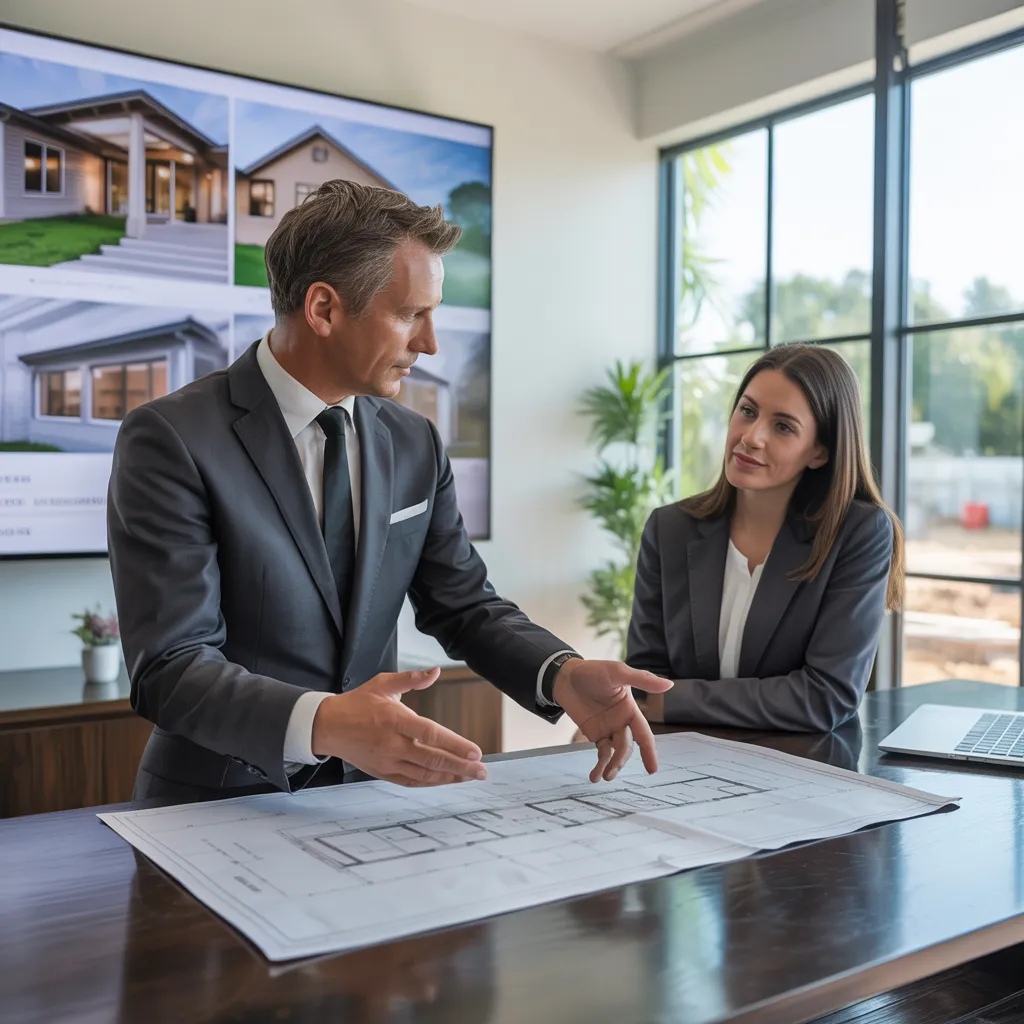
Essential Characteristics of a Dependable General Contractor
When choosing a general contractor, understanding the key qualities that signify trustworthiness is essential. A reliable contractor displays strong communication prowess, ensuring that all parties are kept informed throughout the project. Transparency is another fundamental quality; a trustworthy contractor delivers clear estimates and clarifies potential challenges without hidden fees.
Additionally, a strong reputation in the community often indicates trustworthiness; reviews from previous clients can emphasize the contractor's dedication to quality and timeliness. Furthermore, a reputable contractor maintains the essential licenses and insurance, shielding both the contractor and the client from unforeseen issues.
In conclusion, professionalism in all interactions establishes a sense of confidence that the contractor will fulfill their commitments. By recognizing these qualities, clients can make knowledgeable choices, ultimately leading to a successful collaboration on their construction projects.
Evaluating a General Contractor's background and standing
A experienced general contractor brings priceless experience and a strong standing to any project. Assessing a contractor's background is vital; this includes reviewing their years in the field, completed projects, and specialization areas. A contractor with a varied portfolio shows adaptability to numerous challenges and client needs.
One's reputation may routinely be gauged through client feedback and digital ratings, which furnish insight into the quality of service and professionalism. In addition, confirming credentials and qualifications can verify a service provider's trustworthiness and compliance with sector requirements. Consulting with past clients can furnish firsthand insights regarding the contractor's reliability and integrity.
Moreover, participation in professional organizations often reflect a focus on continuous education and quality work. By carefully analyzing these factors, clients can choose with confidence, ensuring that their project is entrusted to a general contractor who meets both experience and reputation benchmarks.
Why Straightforward Conversation Is Crucial
Evaluating a general contractor's experience and reputation lays the groundwork for a successful partnership, but clear communication often enhances this relationship. Open dialogue establishes trust and guarantees that all parties understand project goals, timelines, and budgets. When contractors provide consistent updates and transparently address challenges, clients feel involved and informed in the process. This forward-thinking communication minimizes misunderstandings and lowers the risk of costly delays.
Moreover, clarity permits clients to raise issues and ask questions, creating an setting where comments is valued. This joint approach not only strengthens bonds but also empowers contractors to produce higher quality work. In a field where projects can often be complicated and evolving, clear communication serves as a cornerstone for avoiding pitfalls. Ultimately, prioritizing openness in interaction paves the way for more efficient project delivery and enhanced client happiness.
Practical Approaches to Keep Your Project on Schedule and Within Cost
To maintain project timelines and budgets, it is vital to create well-defined project milestones from the outset. Effective budgeting and cost control measures are crucial in monitoring costs and preventing overruns. Additionally, implementing strong communication strategies ensures that all stakeholders stay updated and aligned throughout the project's duration.
Explicit Project Milestones Created
Establishing well-defined project checkpoints is important for maintaining timeline and financial adherence in construction projects. Milestones work as critical checkpoints that enable project participants to evaluate progress and spot potential delays early. By defining specific, measurable goals at various stages, contractors can guarantee that tasks are completed on time and resources are managed effectively.
Furthermore, these milestones enable dialogue among project staff, fostering accountability and collaboration. Regularly reviewing milestone progress allows prompt modifications, reducing the risk of budget excess or prolonged schedules. Implementing a framework for monitoring these checkpoints not only improves supervision but also builds confidence in stakeholders, verifying that the project is on track. Ultimately, well-defined milestones are integral to a successful construction undertaking.
Financial Planning and Cost Control
Effective budgeting and cost control are essential components of successful construction management. A reliable general contractor commences by setting up a detailed project budget that includes all expected costs, such as materials, labor, and permits. Regular monitoring of expenditures against the budget guarantees that any discrepancies are identified early, allowing timely adjustments. Implementing a contingency fund can also provide a financial safeguard for unexpected expenses. Additionally, breaking down the budget into phases helps track spending more accurately and essential guide maintains the project on schedule. Engaging in comprehensive planning and using cost estimation tools further improves financial oversight. These practical steps create a solid foundation for preserving financial discipline throughout the construction process, guaranteeing the project stays within financial limits.
Optimal Communication Approaches
Clear dialogue serves as the backbone of effective construction projects, guaranteeing that all stakeholders are in sync and informed. Establishing frequent check-ins and updates fosters transparency, allowing contractors, clients, and subcontractors to tackle issues in advance. Utilizing project management software can streamline information sharing, keeping everyone on the same page regarding timelines and budgets. Additionally, setting clear expectations for communication frequency and methods—whether through emails, meetings, or reports—enhances accountability. Active listening is essential; stakeholders should feel heard and valued, reducing misunderstandings. Finally, documenting all discussions and decisions creates a dependable reference, avoiding disputes and maintaining continuity throughout the project. By implementing these strategies, a general contractor can effectively manage the complexities of construction, keeping projects on schedule and within budget.
How Can You Determine If a Contractor Is Correct for You?
How can one evaluate if a contractor is the right fit for their project? Evaluating a contractor involves several critical factors. First, reviewing their credentials, including licenses and insurance, is vital to guarantee compliance with local regulations. Next, assessing their experience in similar projects can give insight into their capabilities. It's also beneficial to seek references or testimonials from past clients to gauge satisfaction levels and reliability.
A vital aspect is communication style; a contractor who listens to preoccupations and furnishes distinct answers demonstrates professionalism. Likewise, obtaining detailed estimates facilitates weighing costs and appreciating project timelines. Mutual comfort can also play a role; being confident deliberating on ideas and concerns fosters a beneficial working relationship. At last, trust instincts—if something feels off during initial interactions, it may be a clue to explore other solutions. To summarize, thorough research and judicious review can facilitate the right contractor choice.
Real-Life Examples of Successful Contractor Undertakings
Real-life examples of successful contractor projects highlight the varied skills of general contractors. From transformative residential renovations to creative business builds, these case studies showcase the impact of competent project administration and artistic design. By examining these accomplishments, one can better appreciate the benefit that a reputable contractor brings to any construction project.
Residential Renovation Success Story
Remaking rooms into cherished residences, skilled general contractors have established themselves in countless home restoration projects. One impressive project centered on a aging bungalow, where a contractor reconfigured the layout to strengthen functionality. By removing walls and integrating an open-concept design, the space became brighter and more appealing. The integration of modern fixtures and sustainable appliances not only modernized the aesthetic but also promoted sustainability.
In another scenario, a family wanted to enlarge their tight kitchen. The contractor skillfully orchestrated a smooth addition that featured bespoke cabinets and a spacious island, promoting both functionality and aesthetics. These projects demonstrate how general contractors can effectively turn visions into tangible results, ensuring that each renovation satisfies the unique needs and desires of homeowners.
Commercial Construction Transformation
Expert general contractors succeed in commercial build modifications, revamping spaces to address modern business needs. One remarkable project consisted of converting an outdated warehouse into a vibrant co-working space. The contractor smoothly integrated open layouts and modern amenities, drawing in numerous startups. In another scenario, a retail chain aimed to enhance customer experience through a complete store redesign. The contractor leveraged innovative materials and efficient layouts, delivering increased foot traffic and sales. Additionally, a restaurant renovation illustrated the contractor's ability to blend aesthetics with functionality, creating an inviting atmosphere while optimizing kitchen workflow. These examples demonstrate how skilled contractors not only enhance physical spaces but also contribute to the overall success of businesses by aligning environments with their objectives.
Creative Design Deployment
Innovative design implementation has become a hallmark of effective general contracting, as demonstrated through several outstanding projects. One remarkable example is a sustainable office building that incorporated green roofs and energy-efficient systems, significantly decreasing operational costs while improving employee wellness. Another impressive project involved the adaptive reuse of an old warehouse into a contemporary mixed-use space, blending historical architecture with contemporary design elements. A third case featured a residential community designed with an emphasis on open spaces and natural light, fostering a sense of community among residents. These projects demonstrate how skilled general contractors leverage innovative designs to meet client needs while adhering to budget and timelines, ultimately transforming spaces into functional and aesthetically attractive environments.
Regularly Asked Questions
What Choices Do I Have if I Face a Problem With My Contractor?
In case of a dispute with a service provider, one should initially try open communication to resolve issues. If unresolved, examining the agreement, pursuing mediation, or getting legal advice may be required to discover a solution.
What Is the Standard Way Payment Schedules Operate With General Contractors?
Payment timetables with general contractors typically involve upfront deposits, milestone payments based on project momentum, and final payments upon accomplishment. This method guarantees both parties remain accountable throughout the construction process, fostering clear communication and trust.
May I Contract a General Contractor for Small Projects?
Yes, contracting a general contractor for small projects is widespread. They can oversee tasks productively, confirming quality work and conformity to schedules. This option can conserve time and simplify the process for homeowners.
What Authorizations Are Usually Necessary for Building Undertakings?
Typically, building initiatives require licenses such as structural, wiring, pipe work, and land use permits. Particular specifications can vary by location and project type, so consulting local regulations is essential for adherence before starting any work.
What Steps Can I Take to Maintain My Project Green?
To ensure a project stays eco-friendly, one must prioritize sustainable materials, implement energy-saving methods, minimize waste, employ sustainable energy sources, and participate in green-minded planning, all while following local regulations and certifications.